
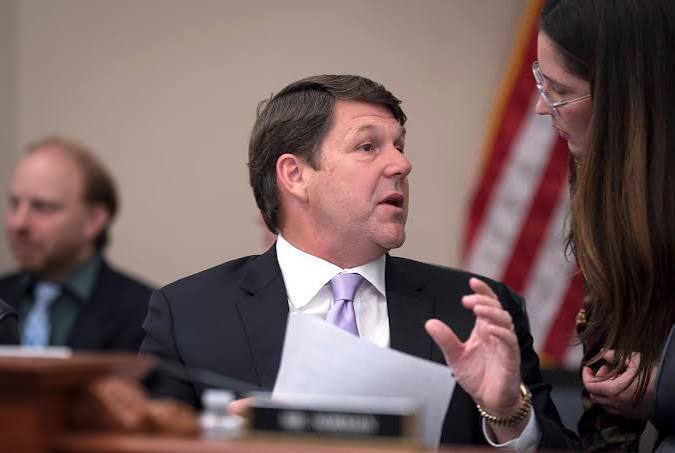
The House Budget Committee has advanced a new $95 billion budget package backed by the Trump administration that combines three major policy priorities: national defense, agricultural assistance, and election security. While the proposal still faces significant hurdles in both the House and Senate, it offers an early look at where the administration wants to direct federal spending during the next phase of its agenda.
The proposal would allocate approximately $60 billion for defense, $13 billion for intelligence programs, $12 billion for agricultural assistance, and $10 billion for election-related initiatives. Republicans are pursuing the legislation through the budget reconciliation process, which allows certain budget measures to pass the Senate with a simple majority rather than the usual 60 votes, although lawmakers still disagree over whether every provision meets reconciliation rules.
A Continued Focus on National Defense
The largest portion of the package would fund defense and intelligence operations. Supporters argue that increased military spending is necessary to respond to growing international security challenges and maintain U.S. military readiness. They contend that investments today could strengthen deterrence and improve America’s ability to respond to future conflicts.
Critics, however, question whether such a significant increase in defense spending should come before addressing domestic priorities such as healthcare, education, or reducing the federal deficit. The debate reflects a long-standing policy question: how should Congress balance national security with investments at home?
Relief for American Farmers
The proposal also includes $12 billion in agricultural assistance aimed at supporting farmers facing economic pressures, including higher production costs and disruptions affecting agricultural markets. Farm aid has historically received bipartisan support during periods of financial uncertainty because agriculture remains an essential part of the U.S. economy.
Still, lawmakers disagree over how assistance should be structured. Some argue direct payments provide immediate relief, while others believe longer-term reforms would better strengthen the agricultural sector against future economic shocks.
Election Security Takes Center Stage
Perhaps the most debated element of the package is the $10 billion designated for election-related grants connected to the administration’s election security priorities. Supporters argue the funding would help states strengthen election administration, improve voter verification systems, and increase confidence in election integrity.
Opponents counter that election administration has traditionally been handled by states and have raised concerns about some of the proposed federal requirements. The discussion highlights a broader debate over the balance between protecting election security, ensuring broad voter access, and respecting state authority over elections.
The Political Challenge Ahead
Although the budget package cleared its first committee vote, its future remains uncertain. Republicans hold only narrow majorities, and some fiscal conservatives have expressed concerns about the overall cost of the proposal. At the same time, Democrats have criticized both the spending priorities and several policy provisions included in the legislation. Even if the House approves the package, negotiations in the Senate are expected to be difficult.
Why This Matters
Budget bills are more than spending documents—they reveal a government’s priorities. This proposal emphasizes national defense, agricultural support, and election policy, three areas that could shape political debate well beyond this budget cycle.
Whether the package ultimately becomes law or undergoes significant revisions, it demonstrates how federal budgeting serves as one of the most influential tools for setting public policy. As Congress continues debating the proposal, the outcome will provide insight into both the administration’s priorities and lawmakers’ competing visions for the country’s future.


Leave a Reply