
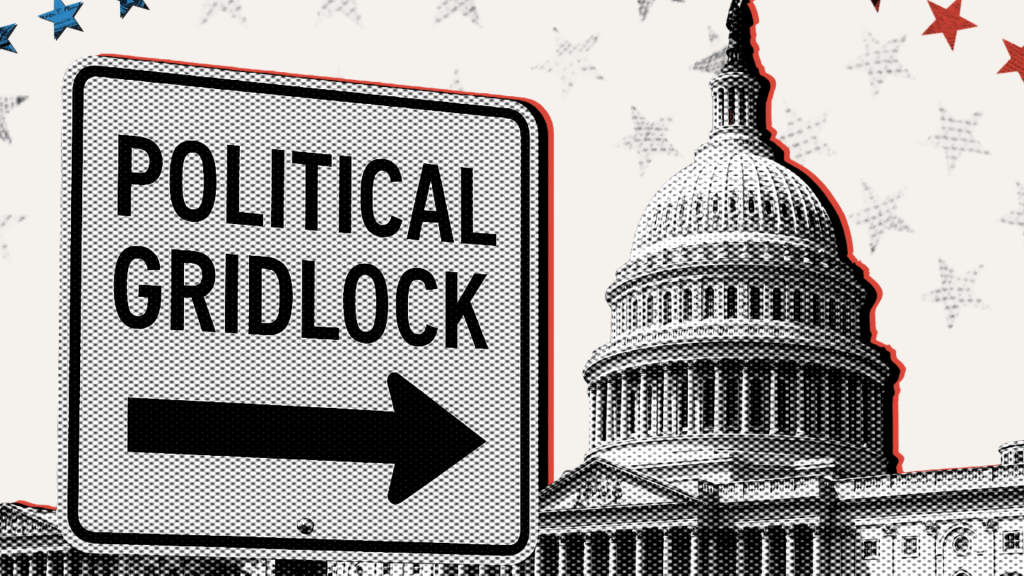
In recent weeks, Washington has once again been consumed by a familiar problem: Congressional gridlock over immigration policy and federal funding. As lawmakers debate how the federal government should enforce immigration law, disagreements over border security, asylum standards, and executive authority have stalled key funding decisions—putting essential government operations at risk.
At the center of the conflict is funding for the Department of Homeland Security (DHS). While Congress is required to pass appropriations bills to keep the government running, immigration has become one of the most polarizing issues in American politics. For many lawmakers, approving DHS funding without policy changes feels like conceding leverage in a broader ideological battle.
Why Immigration Drives Funding Standoffs
Immigration policy sits at the intersection of national security, civil liberties, and economic policy. Republicans generally emphasize border enforcement and deterrence, arguing that stricter measures are necessary to maintain sovereignty and public safety. Democrats, meanwhile, tend to prioritize humanitarian protections, due process, and limits on enforcement practices they view as overly punitive.
Because DHS oversees agencies such as Customs and Border Protection (CBP) and Immigration and Customs Enforcement (ICE), funding debates often double as proxy fights over immigration reform itself. When compromise fails, the result is delayed legislation—or, in some cases, partial government shutdowns.
The Real-World Impact of Gridlock
When funding lapses or is threatened, the consequences extend far beyond Capitol Hill. Federal employees may be furloughed, services slowed, and public trust eroded. Even when shutdowns are temporary, they signal instability in governance and raise questions about Congress’s ability to fulfill its most basic constitutional responsibilities.
More broadly, repeated standoffs reinforce a troubling pattern in U.S. politics: policy disagreements increasingly result in institutional paralysis rather than legislative resolution. Instead of negotiating durable reforms, lawmakers rely on short-term fixes that leave underlying issues unresolved.
What This Says About Public Policy Today
This moment reflects a deeper challenge in American public policy: how to govern effectively in an era of polarization. Immigration reform has long been recognized as necessary by leaders in both parties, yet meaningful legislation remains elusive. As a result, funding battles become the stage on which unresolved policy conflicts play out.
For students of public policy, this episode is a reminder that policy is not just about ideas—it’s about process, power, and political incentives. When compromise is politically risky, dysfunction becomes the default.
Looking Ahead
Whether Congress ultimately reaches a deal or continues to rely on temporary measures, the underlying question remains unanswered: Can the U.S. create an immigration system that is both secure and humane while maintaining a functional government?
Until that question is addressed, funding standoffs like this one are likely to remain a recurring feature of American politics—not an exception, but a symptom.
 Public Policy With Talia
Leave a comment