
By Public Policy with Talia
June 22, 2025
Tensions between the United States and Iran have reached a new high following a series of military and diplomatic developments that signal the most significant confrontation between the two nations in years. With growing involvement from regional actors and an uncertain path forward, this moment marks a critical juncture for Middle East stability and global security.
Escalation Trigger: Israeli and U.S. Strikes
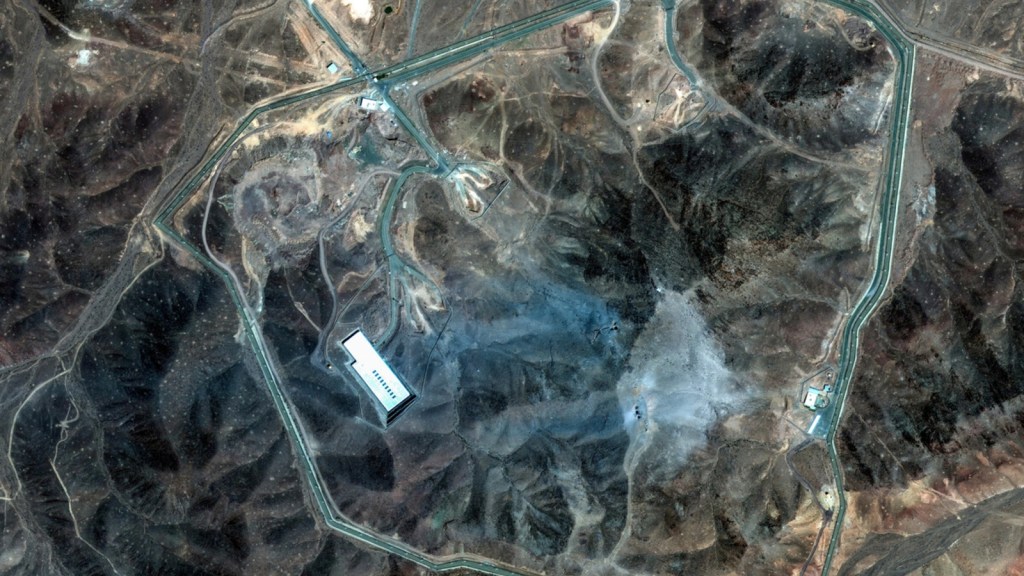
The current crisis began in early June 2025 when Israel launched a coordinated military operation targeting Iranian nuclear and military facilities in Natanz. Days later, the United States followed with its own direct military action, deploying bunker-busting bombs against three of Iran’s nuclear sites. This marks the first time in recent history that the U.S. has taken direct military action on Iranian soil, signaling a dramatic shift in its strategic posture.
U.S. officials, led by President Donald Trump, have insisted the strikes were “limited and targeted,” with no intention of pursuing regime change. Trump stated that the action was taken to disrupt Iran’s nuclear ambitions and warned that the U.S. possesses intelligence on the location of Iran’s Supreme Leader, Ayatollah Ali Khamenei. He also issued a call for Iran’s “unconditional surrender” while leaving the door open for negotiations.
Iran’s Response and Diplomatic Calculations
Iran has condemned the U.S. strikes as a violation of its sovereignty and declared that a “red line” had been crossed. However, despite fiery rhetoric, Iranian officials, including Foreign Minister Abbas Araghchi, have signaled that Tehran is willing to continue indirect talks—provided that a ceasefire is achieved and sanctions relief is on the table.
This measured tone suggests that Iran is carefully weighing its response, balancing domestic pressure with a desire to avoid a full-scale war it may not be prepared to fight.
The Role of the Gulf States
Meanwhile, countries in the Gulf region—namely Oman, Qatar, and Saudi Arabia—have taken on a critical mediating role. These states are facilitating backchannel discussions between U.S. and Iranian representatives in an effort to deescalate tensions and resume nuclear negotiations.
The involvement of Gulf states underscores the regional stakes of the conflict. Any military confrontation could threaten vital oil infrastructure, displace civilian populations, and destabilize fragile governments throughout the Middle East.
Risks and Implications
The current standoff presents several high-risk scenarios:
- Military Escalation: Any retaliatory strike by Iran—whether direct or via proxy forces—could trigger a broader conflict involving U.S. forces in the region.
- Economic Disruption: Global oil prices have already shown signs of volatility. A sustained crisis could further disrupt energy markets and global trade.
- Diplomatic Fallout: The legality and proportionality of U.S. strikes have raised concerns among international observers. Critics argue that bypassing international consensus may undermine long-term diplomatic credibility.
- Nuclear Proliferation: If diplomacy fails and Iran resumes accelerated nuclear enrichment, the nonproliferation regime could be significantly weakened.
What Comes Next?
Despite the severity of the current crisis, diplomatic solutions remain viable. Experts suggest that the U.S. could offer a comprehensive deal: limitations on Iran’s nuclear program in exchange for phased sanctions relief and regional security guarantees. This would require not only careful negotiation, but also trust-building mechanisms to ensure compliance from both sides.
Simultaneously, calls are growing for congressional oversight of military engagements, as well as for a multilateral diplomatic framework that includes European and regional actors.
Conclusion
The U.S.–Iran standoff is a reminder of how quickly military actions can alter the trajectory of international relations. While the immediate priority must be to avoid a war, policymakers will need to think long-term: about nuclear security, regional stability, and America’s role on the world stage.
 Public Policy With Talia
Leave a comment