
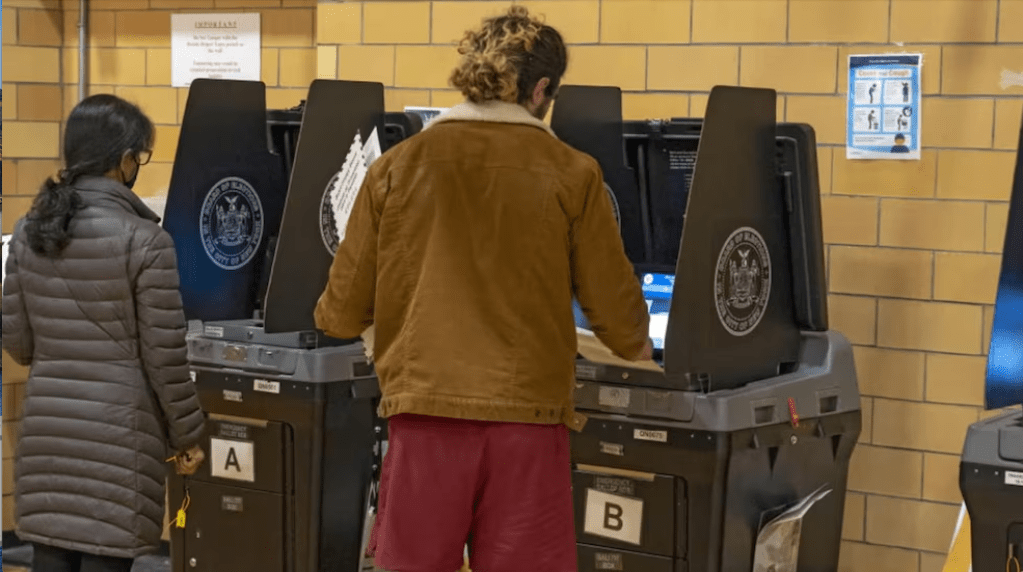
In the 2024 election, Gen Z emerged as a powerful voting bloc once again, demonstrating that young voters are not only engaged, but are shaping the direction of American politics. With high turnout rates in both national and local elections, young people made it clear that they are paying attention—and taking action.
Now that the election cycle has ended, the critical question remains: what happens next?
A Generation Motivated by Urgency
Several major issues drove Gen Z to the polls in 2024.
Reproductive rights were at the forefront following the Supreme Court’s 2022 decision to overturn Roe v. Wade. Across the country, young voters mobilized around ballot initiatives and candidates who supported access to abortion and broader reproductive healthcare.
Climate change also remained a key concern. From increasingly frequent natural disasters to legislative inaction, Gen Z has been vocal about the need for bold environmental policy. Many young voters supported candidates who endorsed clean energy investment, environmental justice, and climate mitigation efforts.
Gun violence was another priority. Having grown up with lockdown drills and widespread coverage of mass shootings, Gen Z continues to push for stricter gun control laws and school safety reforms.
Economic concerns rounded out the list. With the rising cost of living, student debt, and limited affordable housing, many young voters looked for candidates who addressed economic inequality, tuition reform, and job security.
Civic Engagement Beyond Election Day
While voting is one of the most visible forms of civic engagement, it is far from the only one. Experts agree that sustained political involvement between election cycles is essential to turning electoral wins into policy outcomes.
Young people can stay involved by tracking the actions of elected officials, participating in public comment periods, attending local government meetings, or advocating for legislation on issues that matter to them. Community organizing, policy research, internships, and civic education efforts are also meaningful ways to continue making an impact.
Local and state governments often make decisions that directly affect daily life—such as school curriculum standards, public transportation access, or restrictions on books and speech. Paying attention to these levels of government is crucial.
Public Policy and the Power of Persistence
Every major issue affecting Gen Z is shaped by public policy. From mental health services in schools to internet safety laws, policymaking plays a central role in determining how resources are distributed and how communities are governed.
Young people increasingly recognize this connection. Whether they’re founding school-based public policy clubs, volunteering with advocacy organizations, or using social media to educate peers, Gen Z is finding innovative ways to stay engaged.
The challenge now is sustaining that momentum. While presidential elections attract widespread attention, policy change often comes gradually—and requires long-term commitment.
Looking Ahead
The 2024 election was a powerful reminder that young voters are informed, motivated, and ready to lead. But elections are not endpoints; they are starting points. What happens in the months and years that follow will determine whether this generation’s values are reflected in lasting legislative change.
If Gen Z continues to engage—through organizing, advocacy, education, and local action—their impact will be felt far beyond the voting booth.
 Public Policy With Talia
Leave a comment