
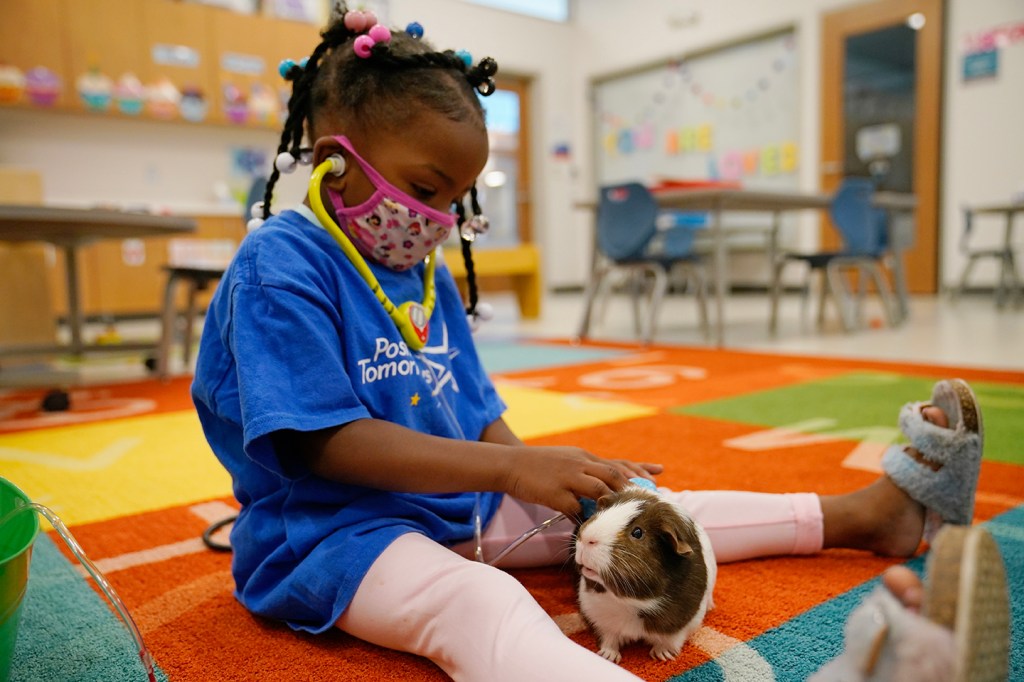
In recent years, the United States has witnessed a significant expansion in public pre-kindergarten (pre-K) programs, reflecting a rare bipartisan consensus on the importance of early childhood education. States across the political spectrum are increasingly investing in pre-K initiatives, recognizing the long-term benefits for children’s development and societal well-being.
Research consistently demonstrates that access to quality preschool education enhances children’s readiness for kindergarten, increases the likelihood of high school graduation, and boosts future earning potential. Moreover, providing free pre-K offers critical support to working parents by alleviating childcare costs, thereby contributing to economic stability.
States such as New York and California have been at the forefront of this movement, implementing comprehensive pre-K programs that serve as models for other regions. Notably, this trend transcends political affiliations, with traditionally conservative states like Alabama also making substantial investments in early childhood education. This widespread support underscores a collective recognition of the foundational role that early learning plays in shaping future success.
Despite these advancements, challenges persist. Funding disparities and variations in program quality remain significant hurdles. Ensuring that all children, regardless of socioeconomic status or geographic location, have access to high-quality pre-K is essential for maximizing the potential benefits of these programs.
The momentum behind universal pre-K reflects a broader societal commitment to investing in the youngest members of the community. As more states adopt and expand these programs, the focus must remain on equitable access and maintaining high standards to ensure that the promise of early childhood education is fully realized for all children.
Work Cited:
Kamenetz, Anya. “The kid-friendly policy that’s quietly sweeping the country.” Vox, 13 Feb. 2025. https://www.vox.com/policy/399427/preschool-pre-k-kids-school-early-education
 Public Policy With Talia
Leave a comment