
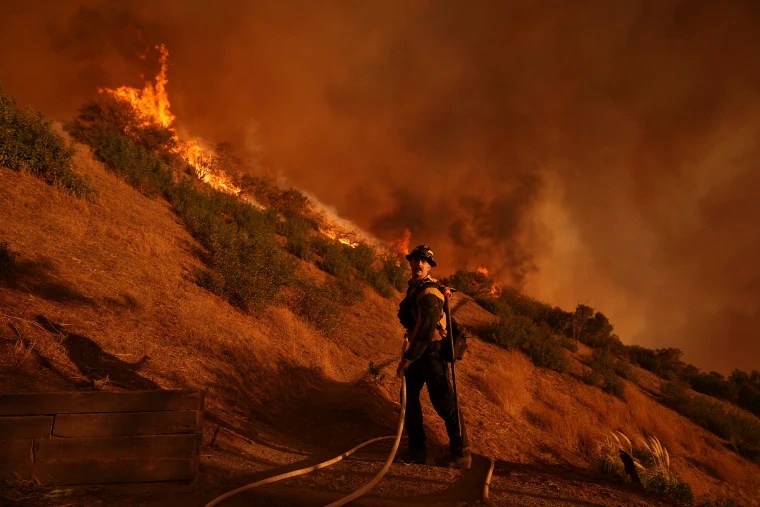
The wildfires in California have long been a critical issue, sparking widespread concern and vigorous debate. These devastating events destroy homes, claim lives, and leave ecosystems in ruin, drawing intense reactions and opinions from many different perspectives. To truly understand this complex topic, it’s essential to look at the causes, responses, and potential solutions with a balanced lens.
One widely discussed factor is climate change, which many experts believe contributes to the rising intensity and frequency of wildfires in the state. Warmer temperatures, extended droughts, and shifting rainfall patterns create conditions that fuel larger and more destructive fires. Environmental advocates argue that addressing climate change through global and local initiatives is vital for reducing wildfire risks in the long term.
Others caution against viewing climate change as the sole cause. They point out that while it’s an important factor, focusing exclusively on carbon reduction could overlook other critical measures, such as improving forest management and building infrastructure that is more resilient to fires.
Forest management is another key element of the wildfire conversation. Supporters of increased forest thinning and controlled burns argue that these methods can help reduce the buildup of flammable vegetation and prevent small fires from growing into major disasters. Indigenous communities often emphasize the value of traditional practices, including controlled burns, which have been used for generations to maintain forest health.
However, some environmental groups express concerns about intensive forest thinning, warning that it could harm ecosystems or open the door to commercial logging under the guise of fire prevention. Striking a balance between preserving natural habitats and taking proactive management steps remains a contentious challenge.
Human activity is also a major contributor to wildfires. Equipment from electrical utilities, unattended campfires, and discarded cigarettes are common ignition sources. At the same time, urban expansion into areas prone to wildfires has increased the number of people and properties at risk. Critics of unregulated development call for stricter building codes and smarter land-use planning to reduce these dangers.
Conversely, some developers and policymakers argue that overly strict regulations could hinder economic growth and exacerbate California’s housing shortage. They advocate for a balanced approach that prioritizes safety while considering economic realities.
California’s emergency response to wildfires has drawn both praise and criticism. The state’s robust firefighting resources and public awareness campaigns are often cited as successes. Yet, gaps in evacuation planning, communication systems, and access to insurance for those affected by fires highlight areas for improvement.
Community-driven efforts, such as neighborhood fire-safe councils, have become increasingly popular as a way for residents to take proactive measures. Still, disparities in resources mean that vulnerable populations often face greater risks, emphasizing the need for equitable solutions.
As California braces for a future with more wildfires, collaboration across sectors will be essential. Investments in renewable energy, fire-resistant infrastructure, and forest health are frequently identified as priorities. Equally important is fostering a sense of shared responsibility, where individuals, communities, and policymakers all play a role in reducing risks.
The issue of wildfires in California reflects larger societal challenges, including climate change, resource management, and urbanization. While the path forward is undoubtedly complex, open communication and a commitment to thoughtful, inclusive solutions can help address this pressing problem.
 Public Policy With Talia
Leave a comment